

rodent

Roof Rat
Feature Description Color Black or dark brown with a lighter underside. Size 15–20 cm in body length, plus a long

| Feature | Details |
|---|---|
| Color | Brown (Norway), Black (Roof), Grayish (Woodrat), Brownish-gray (Marsh Rice Rat). |
| Size | 12–20 inches, including tail, varying by species. |
| Shape | Sleek to stocky bodies with long tails and sharp teeth. |
| Appearance | Norway and Roof Rats: coarse fur; Woodrats: soft fur; Marsh Rice Rats: sleek fur, webbed feet. |
| Common Locations | Urban areas (Norway, Roof Rats), wooded regions (Woodrats), wetlands (Marsh Rice Rats). |
| Breeding | Year-round; litters range from 5–12 pups depending on species, with 4–7 litters annually. |
| Primary Habitat | Buildings, sewers, forests, marshlands, and near food sources. |
| Life Cycle | Up to 18 months; stages include pup, juvenile, and adult. |
| Also Known As | Sewer Rats, Roof Rats, Pack Rats, Rice Rats. |
| Quick Facts | Rats adapt quickly, spread diseases, and infest homes within weeks. |
| Signs of Presence | Droppings, greasy marks, gnawed materials, burrows, and nocturnal scratching sounds. |
| Preferred Diet | Grains, seeds, garbage, fruits, and vegetation. |
| Entry Points | Cracks, vents, gaps under doors, and damaged roofs or foundations. |

“Rats are resourceful pests, each species requiring a unique control strategy. For instance, Norway Rats burrow near foundations, while Roof Rats nest in elevated areas like attics. Woodrats, often found near wooded zones, are notorious for hoarding items, and Marsh Rice Rats thrive in damp environments. The key to successful management includes identifying the species, sealing entry points, and using targeted elimination methods. At Exterminator Brampton, we focus on long-term prevention, combining humane and effective techniques to protect your property. Trust our expertise to ensure your home stays rat-free.”
Gnawed wires, structural damage, and destruction of stored goods.
Transmit diseases like hantavirus, leptospirosis, and salmonella.
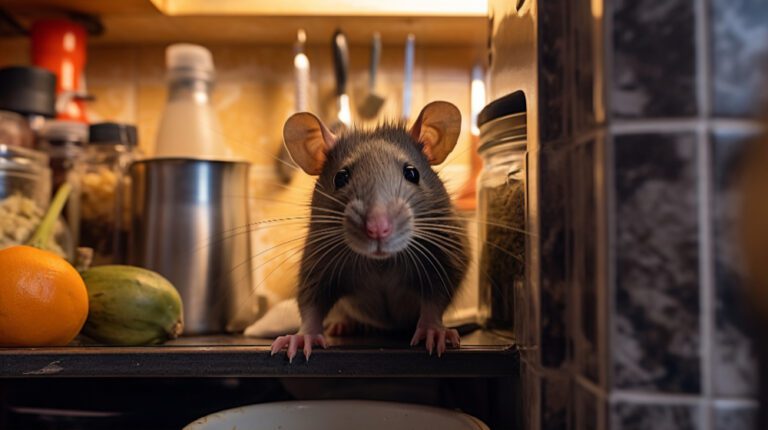
Rats are a diverse group of rodents that pose serious risks to Brampton homes and businesses. Species like Brown Rats (Rattus norvegicus) and Black Rats (Rattus rattus) are urban invaders, while Woodrats (Neotoma spp.) and Marsh Rice Rats (Oryzomys palustris) thrive in forested and wetland areas. These pests cause structural damage, gnawing on wires, insulation, and wood, while spreading diseases through their droppings and urine. Controlling rat infestations is essential to safeguard your property and health.
Brampton’s mix of urban and natural landscapes creates ideal conditions for various rat species. Norway and Roof Rats are common in residential and commercial areas like Downtown Brampton and Bramalea, while Woodrats and Marsh Rice Rats are more prevalent near Heart Lake and wetlands in the region.
Early detection of rat activity is critical. Look for:
Professional treatment is the most reliable way to handle rats. Exterminator Brampton provides:
Take these steps to prevent rats from invading your property:
Treatment time depends on the infestation’s severity. Mild cases may be resolved in 1–2 weeks with baiting and exclusion. Larger infestations could take up to a month, including follow-up inspections to ensure complete eradication.
Norway Rats are larger, with a stocky build and coarse brown fur. Roof Rats are smaller, sleeker, and prefer climbing, often found in attics or upper areas of buildings.
Norway Rats, Roof Rats, Woodrats, and Marsh Rice Rats are the primary species in the area.
Woodrats, also known as Pack Rats, are less common in urban areas but can invade homes near wooded or rural regions in Brampton.
Rats find entry through small cracks, gaps, vents, and damaged foundations.
Marsh Rice Rats can transmit hantavirus and other rodent-borne illnesses through their droppings, urine, and saliva, particularly in wetland-adjacent homes.
Yes, all species spread diseases like hantavirus, leptospirosis, and salmonella.
While DIY methods can provide temporary relief, professional pest control ensures complete elimination, preventing recurring infestations and addressing health risks.
Act immediately by sealing access points, removing food sources, and calling a pest control expert.
Yes, with professional methods and preventive measures, rat infestations can be fully controlled.
Immediate action is crucial. Rats reproduce quickly, so contacting a pest control expert within 24–48 hours can prevent a minor issue from becoming a major infestation.
Feature Description Color Black or dark brown with a lighter underside. Size 15–20 cm in body length, plus a long

Attribute Details Color Light brown to gray, with a lighter underbelly Size 15-20 cm (including tail), weighing 12-30 grams Shape

Attribute Description Color Light brown to reddish-brown with a white belly and feet. Size 7-10 cm body length; tail length