

rodent

Deer Mouse
Attribute Description Color Light brown to reddish-brown with a white belly and feet. Size 7-10 cm body length; tail length

| Attribute | Details |
|---|---|
| Color | Light brown to gray, with a lighter underbelly |
| Size | 15-20 cm (including tail), weighing 12-30 grams |
| Shape | Small, slender body with pointed nose, large ears, and a long, scaly tail |
| Appearance | Fine fur, small black eyes, and sharp incisors |
| Common Locations | Kitchens, pantries, basements, garages, and storage areas |
| Breeding | Year-round breeding; litters of 6-10 pups every 21 days |
| Primary Habitat | Indoors near food sources or outdoor vegetation areas |
| Life Cycle | Egg > Juvenile > Adult; lifespan of 12-18 months |
| Also Known As | House mouse, field mouse |
| Quick Facts | Highly adaptable rodents capable of squeezing into 6 mm gaps |
| Signs of Presence | Droppings, gnaw marks, greasy trails, and squeaking noises |
| Preferred Diet | Grains, seeds, fruits, and food scraps |
| Entry Points | Cracks in foundations, holes in walls, and open vents |

At Exterminator Brampton, we recommend regular inspections and proactive maintenance to deter mice. Ensure your home or business is mouse-proof by sealing gaps and keeping food inaccessible. Our experts also advise monitoring high-risk areas like basements, pantries, and garages. Investing in prevention saves time, money, and stress in the long run.
“Gnawed Wiring and Food Contamination”
Mice chew wires, damage insulation, and contaminate food supplies.
“Disease Transmission and Allergies”
Spread Hantavirus, Salmonella, and trigger allergies or asthma.
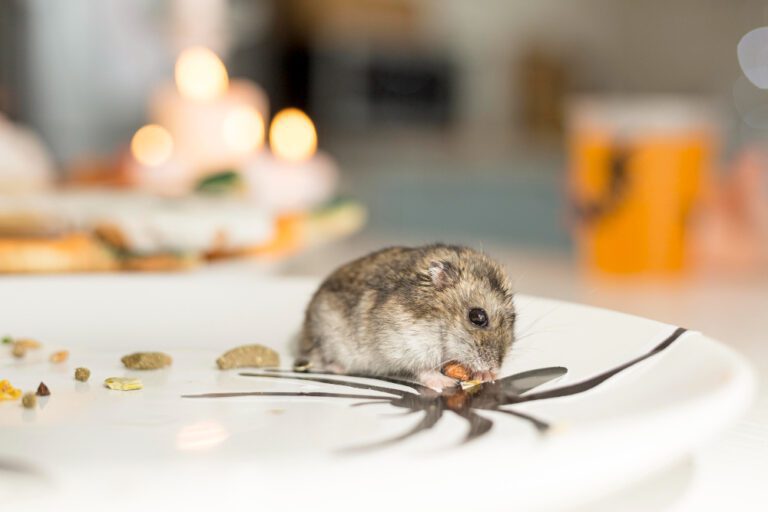
"Understanding Mice: A Growing Concern in Urban Areas"
Mice (Mus musculus) are small rodents notorious for their adaptability and ability to invade homes and businesses. In Brampton’s urban and suburban areas, mice thrive due to ample food sources and shelter. These pests contaminate food, cause structural damage, and spread diseases, making their presence a serious issue for homeowners and businesses alike. Their rapid breeding cycles make early intervention essential to prevent infestations from spiraling out of control.
"Mice Infestations: A Common Challenge in Brampton"
Mice are a widespread problem across Brampton, including neighborhoods like Downtown Brampton, Bramalea, and Mount Pleasant. Proximity to wooded areas and construction zones increases the likelihood of infestations. Businesses in high-traffic areas and homes near parks or green spaces are particularly vulnerable.
"Spot the Warning Signs Before It’s Too Late"
Common indicators of a mice infestation include small, pellet-shaped droppings near food or storage areas, gnaw marks on wires or wood, and greasy trails along walls. You might also hear squeaking noises or notice shredded materials like paper used for nesting. These signs demand immediate action to avoid further contamination and damage.
"Eliminating Mice: Professional and DIY Solutions"
Exterminator Brampton uses humane traps, bait stations, and exclusion techniques to remove mice efficiently. While DIY traps may provide temporary relief, professional services ensure thorough inspections, long-term prevention, and reduced health risks. Our licensed technicians use safe, eco-friendly treatments to eliminate infestations without disrupting your home or business.
"Stop Mice in Their Tracks with Simple Prevention Strategies"
"From Start to Finish: Your Timeline for Mice Control"
Mice infestations can typically be controlled within 1-2 weeks, depending on the severity. Professional treatments include thorough inspections, baiting, and sealing entry points, ensuring long-term relief. Follow-up visits may be required for larger infestations.
Mice can enter through gaps as small as 6 mm in walls, windows, or foundations.
DIY traps may catch individual mice, but they are less effective for large infestations.
Yes, mice seek food, warmth, and shelter, regardless of a home’s cleanliness.
Mice can spread Hantavirus, Salmonella, and other harmful bacteria through droppings and urine.
Annual inspections are recommended to prevent infestations and address potential risks.
Attribute Description Color Light brown to reddish-brown with a white belly and feet. Size 7-10 cm body length; tail length

Feature Description Color Black or dark brown with a lighter underside. Size 15–20 cm in body length, plus a long

Feature Description Color Grey with a white underbelly; some variations may include brown or black fur. Size Approximately 23–30 cm