

Wildlife

Bird
Bird Species Description Pigeon Often found in urban areas, pigeons nest on rooftops and ledges. Known for large flocks. House

| Characteristic | Details |
|---|---|
| Color | Grayish-brown fur with black “mask” around eyes |
| Size | 60–100 cm long, weighing 5–15 kg |
| Shape | Stocky body with long, bushy tail |
| Appearance | Black and white facial markings, ringed tail |
| Common Locations | Attics, chimneys, crawl spaces, and sheds |
| Breeding | Mating season from January to March; litters consist of 3–5 kits born after a gestation period of 63–65 days. Kits are weaned around 8–10 weeks and stay with their mother until fall. |
| Primary Habitat | Urban and suburban areas, especially near wooded zones |
| Life Cycle | 3-5 years in the wild, with yearly breeding |
| Also Known As | Trash Pandas |
| Quick Facts | Nocturnal creatures, known for dexterity and intelligence |
| Signs of Infestation | Scratching sounds in the attic, overturned trash bins |
| Preferred Diet | Omnivores: Fruits, insects, small mammals, and human trash |
| Entry Points | Roofs, vents, chimneys, and uncovered garbage cans |

“When dealing with raccoons in Brampton, the key is to act quickly but humanely. Raccoons are highly intelligent and adaptable, so professional removal is recommended. Always seal entry points after removal to avoid future issues, and keep your outdoor trash sealed tightly to prevent attracting raccoons. If you hear noises in your attic, act fast before they cause serious structural damage.”
Raccoons Can Cause Major Structural Damage
Raccoons damage attics, chew through wires, and contaminate homes with waste.
Raccoons Spread Diseases Like Rabies and Leptospirosis Their droppings and saliva can expose your family to harmful diseases.
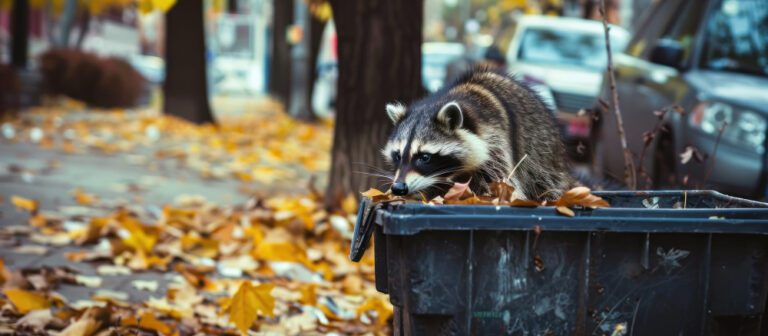
Raccoons are highly adaptable mammals known for their intelligence and dexterity. In Brampton, raccoons often invade homes, attics, and garbage bins, causing substantial property damage. They can tear through roofing, shred insulation, and chew on electrical wiring, leading to fire hazards and costly repairs. Additionally, raccoons are notorious for overturning trash cans and spreading garbage, creating unsanitary conditions. If not dealt with promptly, they can also introduce health risks by carrying diseases like rabies or spreading parasites like roundworms.
Brampton, with its combination of suburban homes and nearby wooded areas, offers the perfect environment for raccoons. The proximity to natural water sources like Fletcher's Creek and local parks allows raccoons to thrive. Unfortunately, this also brings them closer to residential neighborhoods, where they often find easy access to food and shelter. Their ability to adapt to urban settings makes raccoon infestations in Brampton a frequent issue.
Look out for these signs to identify a potential raccoon infestation in your Brampton home:
At Exterminator Brampton, we use humane, effective methods to remove raccoons from your property. Our wildlife experts will:
Raccoon removal typically takes 3 to 5 days, depending on the size of the problem and the complexity of the entry points. The relocation process is swift once the raccoon is trapped, but sealing entry points is critical to preventing re-entry.
Raccoons can enter through damaged roofs, chimneys, or loose vents, often seeking warmth and shelter in attics.
Yes, raccoons can carry diseases like rabies and parasites that pose risks to both humans and pets.
It’s not recommended to remove raccoons yourself due to safety concerns and wildlife laws. Always call a professional.
Seal entry points, secure trash bins, and remove potential food sources to keep raccoons from returning.
While some DIY methods may reduce their numbers, professional treatment is recommended for complete eradication, especially in larger infestations.
Bird Species Description Pigeon Often found in urban areas, pigeons nest on rooftops and ledges. Known for large flocks. House

Bat Species Mini Description Big Brown Bat (Eptesicus fuscus) Common invader in urban homes; roosts in attics, barns, and structures.

Field Details Color Black with white stripes down the back Size 50-70 cm in length, weighing 1.5-4 kg Shape Stocky